

Date: March 26, 2026 | 2:00 PM EST/1:00 PM CST
Presenters: Héctor Olmos, PE, CFM
Credits: 1.0 PDH | 0.1 CEU | Approved for all Envirocert International, Inc. (ECI) Certifications: Approval #PDH-0230
Cost: Free
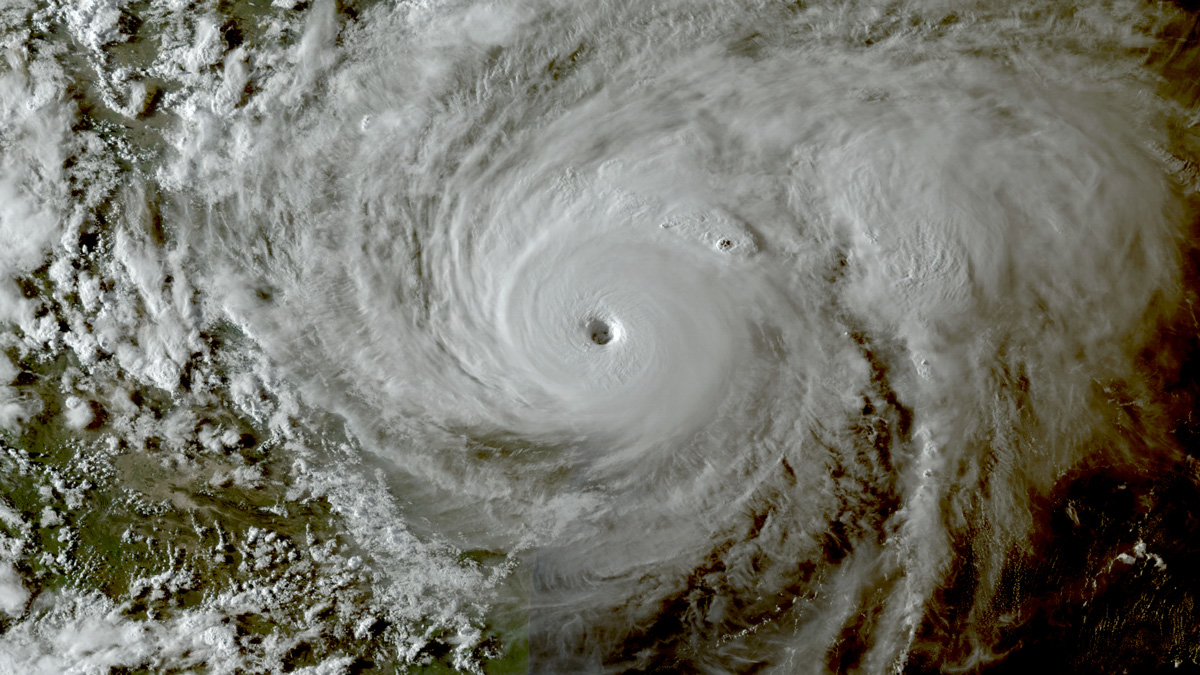
Hurricane Harvey devastated communities along the Texas coast in 2017, breaching levees and flooding thousands of people out of their homes. The storm caused damages estimated at more than $150 billion — but it also taught lessons for resisting a recurrence. To build their community’s resilience against future floods, the Fort Bend County Levee Improvement District No. 2 southwest of Houston, Texas, undertook an $88 million program to improve pump station, channel, and storage capacity. This case study provides practical guidance for levee districts facing similar challenges of undertaking post-disaster mitigation for levee interior drainage.
The experience of Fort Bend County LID2 will show how to handle considerations that include:
- Selection of criteria and key assumptions
- Model development and validation
- Prioritization of alternatives, including storage versus pump capacity
- Collaboration between political entities
- Communication with the public
- Emergency response resources
Register now to learn about:
- Recognizing the importance of adequate stakeholder coordination and strong communication tools to gain public support.
- Understanding the flood risk factors and operational challenges that levee-protected areas face during major storm events, such as Hurricane Harvey.
- Identifying system deficiencies and developing solutions to improve resilience.
- Assessing how completed projects would have performed during historical storms, and how they expect to perform during future storms.
Learning Objectives
- Understand the flood risk factors and operational challenges that levee-protected areas face during major storm events, such as Hurricane Harvey.
- Identify system deficiencies and developing solutions to improve resilience.
- Assess how completed projects would have performed during historical storms, and how they expect to perform during future storms.
- Recognize the importance of adequate stakeholder coordination.
- Understand communication techniques for gaining public support.
About the Presenter

Héctor Olmos, PE, CFM, is Freese and Nichols’ National Technical Specialist for hydrologic and hydraulic modeling, with more than 20 years of hands-on experience in advanced modeling and planning. Widely recognized as an innovator and mentor, he is a leader on stormwater issues and solutions, including storm recovery and risk reduction. He’s experienced in large scale studies, master planning, drainage reviews, and flood mitigation alternatives analysis and design support. He was deeply involved in Freese and Nichols’ work assisting Texas’ nation-leading state flood plan development. Héctor frequently conducts workshops and presentations on HEC-RAS and infrastructure resilience. He received his master’s in water resources from Texas A&M University and his bachelor’s in civil engineering from the Universidad Nacional de Colombia.
Course Includes
- 1 Lesson
- Course Certificate