
 Mechanically Stabilized Earth Walls – the Good, the Bad, and the Ugly
  Healthy Streets for Urban Flooding in Your Neighborhood
  Lancaster’s Integrated Green Infrastructure Plan: Reviewing a Decade of Implementation and Planning for the Next
  Infrastructure and Urban Planning for an Effective Stormwater Management Program and Permit Compliance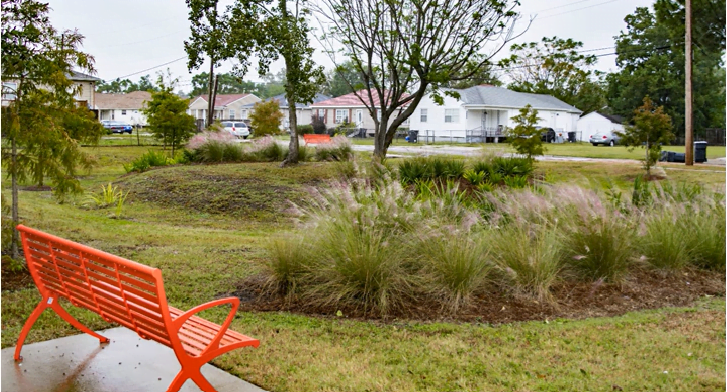
Description
Developing land in the U.S. is viewed as beneficial based on perceived economic results. Methods and speed of development have changed over generations as humans asserted dominion over the land. The folly of an approach ever more divorced from the land’s environment is most evident during extreme weather events. From the 1960s through the 1980s, awareness of problems and solutions were provided by landscape architects who proposed an approach based on the same principles of LID.
This course presents the principles of LID design of undisturbed land and urban environments. LID is an approach that seeks to mimic natural systems to minimize adverse impacts of development practices not only on each property but also within the watershed and community in which it is located. In retrofitting developed land, the challenge is to identify and design interventions that can return as much of the land as possible to its natural condition.








Reviews
There are no reviews yet.