Description
Date: October 22, 2026 | 2:00 PM EST/1:00 PM CST
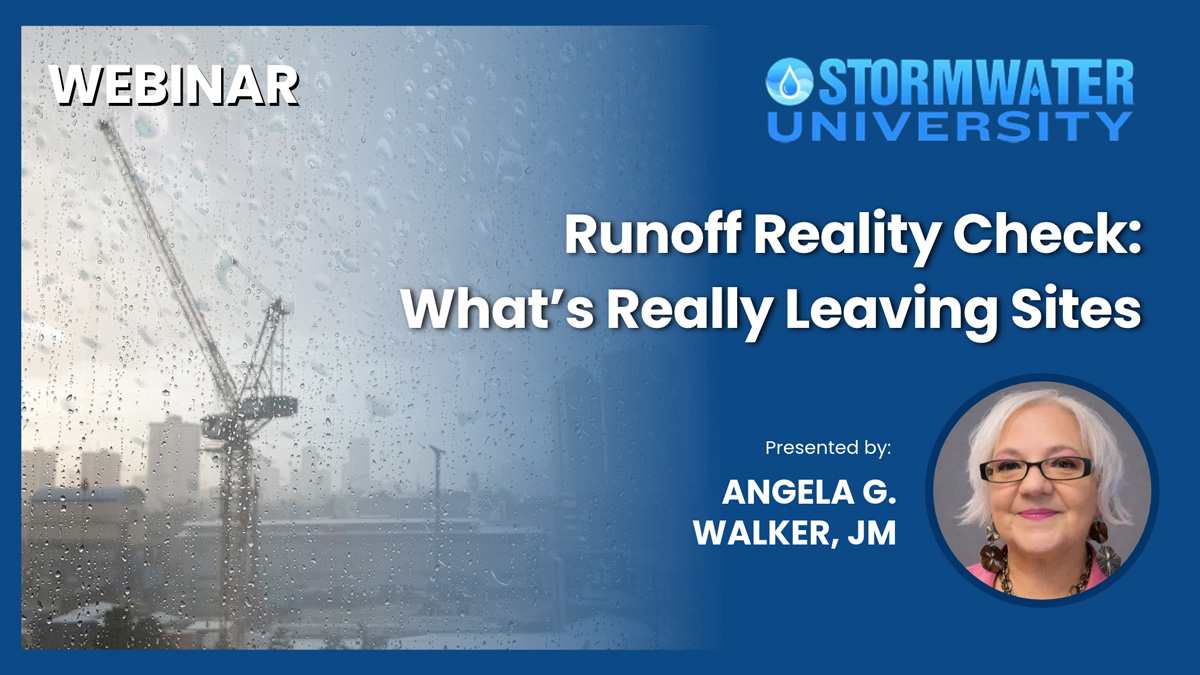
Presenter: Angela G. Walker, JM
Credits: 1.0 PDH | 0.1 CEU
Cost: $14.99 Early Bird / $19.99 Regular
Stormwater runoff is often viewed as a routine byproduct of rain events, yet what actually leaves a site can vary significantly depending on land use, industrial activity, maintenance practices, and hidden discharge conditions. During storm events, first-flush runoff can mobilize accumulated pollutants, transport contaminants offsite, and trigger regulatory response actions that escalate quickly across multiple agencies.
This webinar provides a practical, field-based examination of stormwater runoff and the real-world conditions that affect water quality, inspections, and enforcement outcomes. Participants will explore how first-flush conditions influence pollutant loading, how illicit discharges can be concealed within normal stormwater flow, and how industrial and commercial contributors—including food processing facilities, truck wash operations, marinas, and outdoor material handling areas—can alter runoff characteristics.
The session emphasizes field verification, defensible documentation, and targeted response strategies that improve inspection accuracy and regulatory decision-making. Participants will learn how to recognize runoff indicators, identify suspicious discharge conditions, and implement sampling approaches that capture intermittent or condition-based violations that routine inspections may miss.
To strengthen practical application, the webinar is anchored by two real-world case studies:
- Used Cooking Oil Release: A stormwater-driven runoff event caused by a damaged used cooking oil container that escalated into a multi-agency response involving Georgia EPD and the U.S. Coast Guard. Participants will examine pollutant transport pathways, first-flush impacts, and incident escalation.
- Reported Petroleum Discharge at a Marina: A citizen complaint prompted a response involving city police, code enforcement, utility pretreatment personnel, environmental stakeholders, and the U.S. Coast Guard. Through field verification and documentation, responders determined no active petroleum discharge existed—highlighting the importance of evidence-based investigation and defensible findings.
Key takeaways include:
- Identifying first-flush pollutant loading and runoff transport pathways
- Distinguishing between confirmed discharges and suspected runoff conditions
- Recognizing high-risk industrial and commercial runoff contributors
- Applying targeted inspection and sampling strategies during runoff events
- Strengthening documentation and multi-agency coordination for enforcement actions